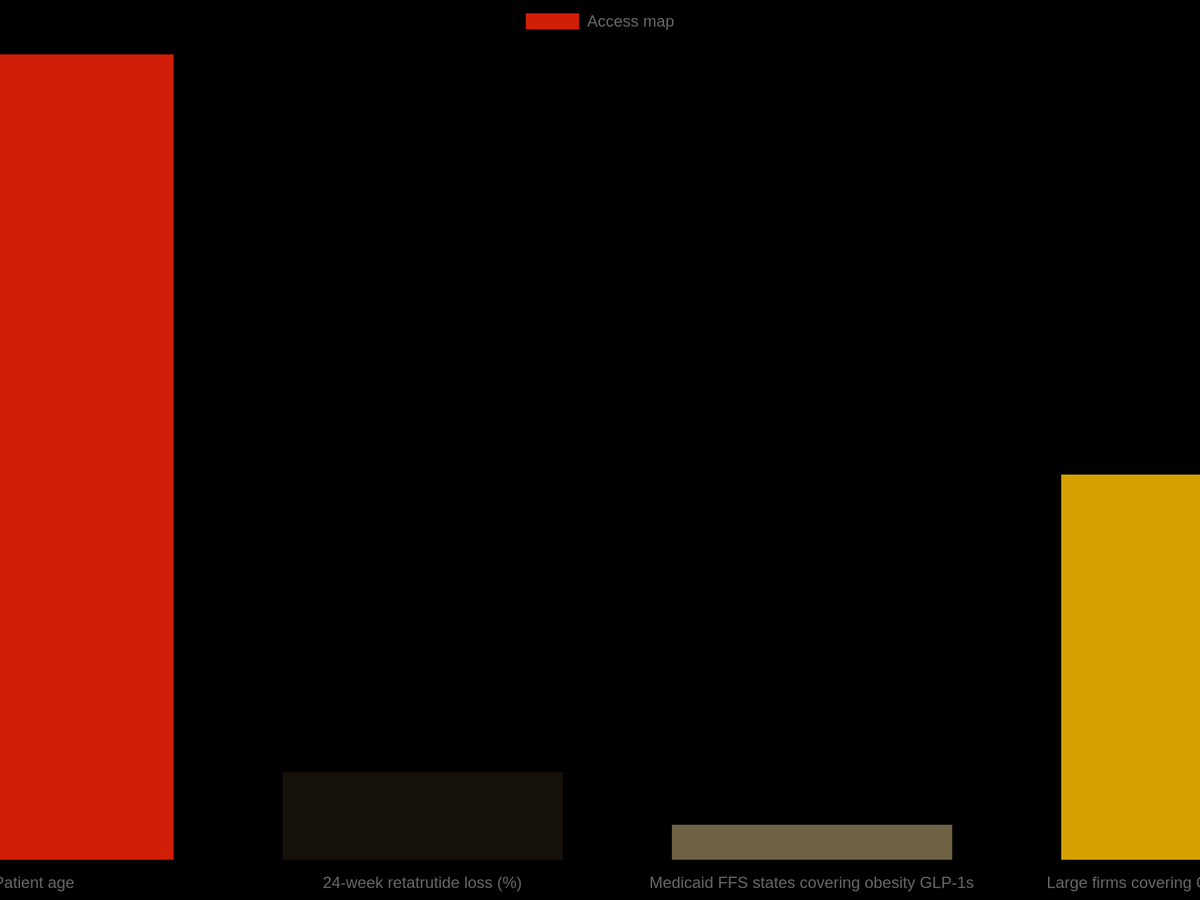
Burn the Playbook | Independent. Editor-owned. Built for people who still want the record. | The Mystery Patient, the Denial, and the Fast Lane | By Michael Starr Hopkins | The White House denied Trump was the mystery patient. Fine. The private fast lane is still the story. | STAT reported that one 79-year-old patient got access to Eli Lilly's experimental weight-loss drug retatrutide through the FDA's expanded-access pathway. That pathway, often called compassionate use, is supposed to be for people with serious or immediately life-threatening conditions who have no comparable alternative and cannot get into a clinical trial. | That is the clean question here: not internet guessing, not palace gossip, not a screenshot hunt. Who gets the private door in American health care, and who gets told to wait? | | Source labels: STAT, FDA, Lilly/NEJM, and KFF. | The Machine | Retatrutide is not a vitamin with better branding. Lilly's phase 2 results published in the New England Journal of Medicine showed mean weight reduction of up to 17.5 percent at 24 weeks in adults with obesity or overweight. That is why the drug matters. It sits inside a gold rush where a new class of weight-loss drugs can change bodies, budgets, and political talking points at the same time. | But access is the whole fight. KFF found that, as of January 2026, only 13 state Medicaid fee-for-service programs covered GLP-1 drugs for obesity. Prior authorization is common. In employer coverage, KFF's 2025 survey found one in five firms with at least 200 workers covered GLP-1 drugs for weight loss in their largest plan, while 43 percent of firms with at least 5,000 workers did. | Translation: the richer and bigger your insurance lane is, the better your odds of getting the new miracle. Everybody else gets paperwork, delay, denial, or a cash price that might as well be a locked door. | | Source label: KFF 2025 Employer Health Benefits Survey. | The Proof | STAT's report said the unusual retatrutide access went to one 79-year-old patient. People then reported the online speculation that the patient was Trump, and the White House denied it the next day. A White House physician memo released in May 2026 described Trump as being in excellent overall health and did not list a retatrutide treatment. | That denial matters. It means the public claim should not be, "Trump got the drug." The real claim is sharper because it is proven: somebody got early access to a powerful experimental drug through a pathway most people will never know how to navigate. | That is how two health systems sit on top of each other. One system is the one ordinary people use: call the doctor, call the insurer, wait on hold, get denied, appeal, start over. The other system is quieter. It has lawyers, doctors, relationships, foundations, lobbyists, boardrooms, and the kind of phone numbers that do not show up on the back of your insurance card. | Who Pays | The person with diabetes who needs coverage pays. The parent trying to get obesity treatment for a teenager pays. The worker whose plan excludes weight-loss drugs pays. The Medicaid patient in a state that does not cover them pays. The taxpayer pays again when the health system waits until people are sicker, poorer, and harder to treat. | Power always wants the miracle first and the explanation later. That is not health care. That is concierge government wearing a lab coat. | Between The Lines | The drug story is also a democracy story. When lifesaving or life-changing care moves through private channels, public trust rots. People do not need to believe every rumor to understand the smell. They already know the rich do not wait in the same line. | The official denial closed one allegation. It did not close the door. It opened the real one: who can ask for special access, who approves it, who pays, and who gets left in the hallway? | Hiring | This fight needs investigators, organizers, lawyers, data people, policy writers, local reporters, and designers who can turn records into pressure. | | Bottom Line | The White House denial answers the narrow rumor. It does not answer the bigger problem. In America, the medical fast lane is real. Somebody got through it. Millions of people are still standing at the counter, trying to get a human being to pick up the phone. | One action: Send this to someone who has ever fought an insurance denial. Ask them how long the rich would tolerate that system if they had to use it too. | Watch · BTP | | Sources | | Keep BTP independent: Share the issue, forward it to one person who needs the plain version, and send tips or documents to Michael. | Subscribe to Burn the Playbook | Manage preferences | Unsubscribe |
|