Exposed · The Kushner Deal
Saudi’s Own Analysts Graded Kushner’s Firm “Unsatisfactory in All Aspects.” MbS Wired $2 Billion Anyway.
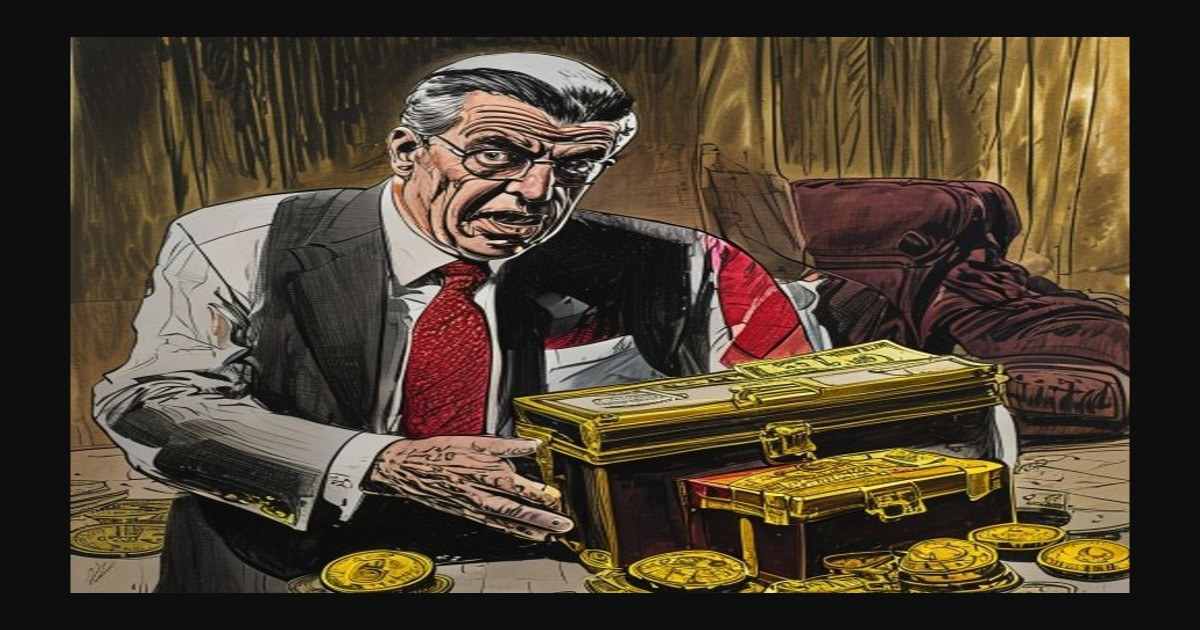
The Public Investment Fund’s internal screening panel called Affinity Partners “unsatisfactory in all aspects” with “inexperienced management.” MbS signed the check anyway. Four years later: $112 million in fees collected, zero returns to investors, and a Trump-branded hotel in Serbia collapsed when four government officials were indicted for corruption.
By Michael Starr Hopkins · Burn the Playbook · April 28, 2026
Jared Kushner left the White House with no investment track record. Saudi Arabia’s sovereign wealth fund wired him $2 billion six months later — over the explicit objections of its own analysts. He has since collected $112 million in fees. He has returned zero profits.
The Public Investment Fund of Saudi Arabia has a screening process.
In 2021, that process evaluated Jared Kushner’s newly-formed investment firm, Affinity Partners. The PIF’s internal analysts concluded that the fund had “inexperienced” management, was “unsatisfactory in all aspects,” and posed concentration risk. House Oversight documented this through the Maloney probe. It is in the committee record.
Crown Prince Mohammed bin Salman overruled his own analysts. The $2 billion went in.
That $2 billion was transferred roughly six months after Kushner left his position as Senior Advisor to the President — a role in which he had helped shape U.S. policy toward Saudi Arabia, including the American response to the murder of Jamal Khashoggi.
Affinity Partners has since collected more than $112 million in management fees from Saudi and other foreign investors. It has returned zero profits to those investors.
“Unsatisfactory in all aspects.” MbS signed the check anyway.
The Belgrade Hotel Tells the Rest
Affinity Partners was involved in the development of a Trump-branded hotel in Belgrade, Serbia. In December 2025, Affinity pulled out of the project. Four Serbian government officials had been indicted for corruption in connection with it. Bloomberg reported it. Popular.info confirmed it.
A Trump-Kushner real estate project in a foreign country ended when that country’s government officials were arrested. The FCPA — the law that would govern bribery of foreign officials — was paused by executive order in February 2025.
The Vietnam Deals Are Still on the Table
While Kushner’s Middle East probe remains open, the Trump Organization is simultaneously negotiating a $1 billion tower in Ho Chi Minh City and a $1.5 billion golf and resort complex in Hưng Yên Province. The Vietnamese deals were approved in May 2025, while Vietnam was in active tariff negotiations with the United States.
A foreign government that is negotiating trade terms with the United States approves $2.5 billion in Trump business deals in the middle of those negotiations. The FCPA would have made this a federal investigation. The FCPA was paused.
Senate Finance and House Oversight opened a new probe on March 19, 2026. Their letters are public record.
Sources
| 1. | PIF “unsatisfactory in all aspects”
House Oversight Maloney probe; committee record |
| 2. | $2B investment, zero returns, $112M fees
Sen. Wyden investigation 2024 (Senate Finance); CEPR analysis |
| 3. | Wyden/Garcia new probe
Senate Finance, House Oversight letter (3/19/26) |
| 4. | Belgrade hotel collapse, 4 officials indicted
Bloomberg, Popular.info, The Week |
| 5. | Vietnam towers ($1B + $1.5B)
South China Morning Post, Reuters/Detroit News |
May the bridges we burn light our path forward.
Burn the Playbook